
Credit Card Authorization Form Template
Hotels keep a card on file for incidentals. Rental agencies secure deposits against damage. Studios and clinics bill members on a fixed day each month. Every one of these businesses charges a card for money the customer hasn’t handed over yet — and when the charge later shows up on a statement, the cardholder’s memory is rarely as good as your records need to be.
A credit card authorization form replaces the verbal “go ahead” with a signed record. Cardholders confirm precisely what they approve: the amount, the purpose, and whether their card may be charged again in the future. Months later, when a dispute lands, that document is the first thing you reach for.
Where card authorization fits
- Deposits and down payments taken at the time of booking.
- No-show and late-cancellation fees disclosed before service.
- Stored-card consent for members billed on a schedule.
- Incidentals and damage coverage in hospitality and rentals.
- Charges for services delivered after the visit, such as repairs or add-ons.
Cardholder details the form records
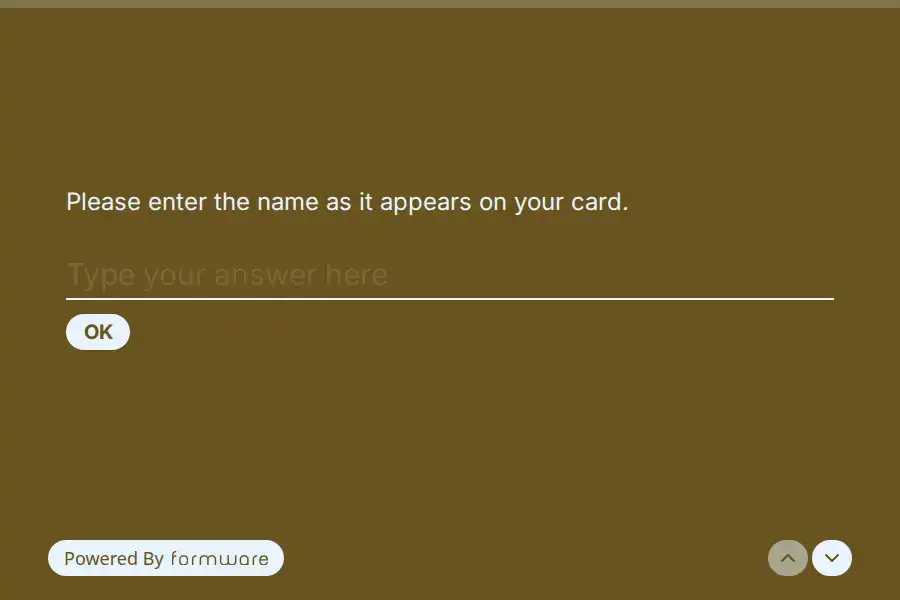
- Authorization type — a multiple choice selection: single charge, deposit, or standing card-on-file consent.
- Charge ceiling and purpose — the maximum amount you may bill, plus a short description of the goods or services covered.
- Cardholder identity — name and phone or email for receipts and follow-up questions.
- Billing address — an address field capturing the address registered to the card.
- Future-charge permission — an explicit yes/no step confirming whether stored-card billing is included, so repeat charges are never implied.
- Consent and signature — a final acknowledgment presenting the exact terms before the form is submitted.
Cutting your chargeback exposure
A signed authorization is evidence, not immunity — dispute outcomes still depend on the full paper trail. Bill under a descriptor the cardholder will recognize, trigger instant alerts to your front desk or billing team the moment consent is signed, and file the authorization next to the receipt, contract, or booking record it supports. Embedding the form in your booking portal or checkout gets the signature collected before service begins, and a custom thank-you page can route cardholders to their confirmation details afterward.
The card itself never touches this form
Full card numbers and security codes must not be typed into standard form fields or pasted into exports. Route card entry through your processor’s hosted component instead — Stripe, for instance, tokenizes the card and returns a reference your records can safely keep, while the card details stay inside the processor’s environment. Your exact PCI DSS obligations depend on how that payment step is wired up, so verify them against your processor’s documentation.
Related templates: booking forms for reservations that pair with deposits, rental applications for property workflows, and the full payment template collection.
Frequently Asked Questions
Can I collect the full card number in this form?
No — and the security code shouldn’t be collected anywhere, either. Use your payment processor’s hosted card-entry flow for credentials and store only the truncated reference it returns, such as the final four digits.
Does a signed authorization prevent chargebacks?
It doesn’t guarantee any outcome, but it materially strengthens your position in a dispute. Combine it with recognizable billing descriptors, receipts, and delivery or fulfillment records.
What does card-on-file mean?
It’s an arrangement where a customer permits future charges to a stored card under disclosed terms. Card networks set rules for these agreements, so your form should state the amounts, frequency, and cancellation route plainly.
Can I use this for hotel incidentals or damage deposits?
Yes — the form documents the guest’s consent to those charges. The actual hold or pre-authorization on the card is a separate step your processor performs at check-in.
Is a typed name a valid signature?
An electronic acknowledgment is generally enforceable, but requirements vary by jurisdiction and contract type. If your agreements carry significant value, have counsel confirm what your local rules demand.