
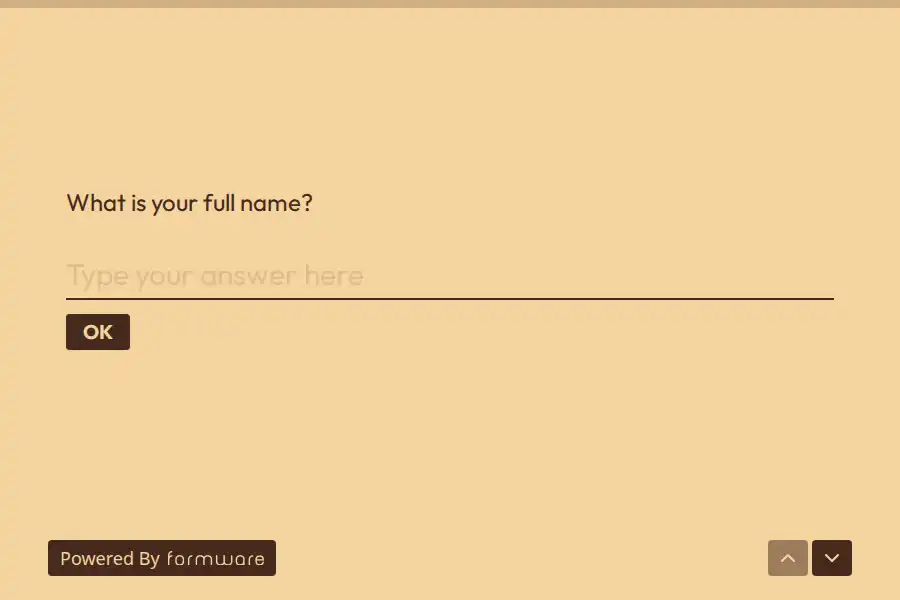
Student Profile Form
Every teacher knows the difference between a roster and a class. The roster is a list of names; the class is a chess player, a girl who draws through every lesson, a boy who has not raised his hand since September. The distance between the two is information — and the teachers who close it fastest teach better all year.
This student profile form captures that human context before the term begins: what students are into, how confident they feel, where they are headed. Not administrative data — pedagogical context, gathered while there is still time for it to shape how you teach.
What Profiles Reveal That Rosters Cannot
Three dimensions of context change teaching most:
Interests. Seemingly soft data with unexpectedly hard applications. Examples land harder when they run through student interests; projects feel chosen rather than assigned; the reluctant reader who loves football will read anything with football in it. A picture choice question lets students select favorite activities visually — faster and more engaging than typing, and readable at a glance when you review the class set.
Confidence. Self-ratings on a simple opinion scale — speaking up in class, asking for help, tackling new material — flag the students who need encouragement before they have gone quiet. The scale is not a diagnosis; it is an early-warning system, and the students it flags are the ones whose flags teachers rarely see until grades drop.
Direction. Aspirations, even vague ones, give mentorship a vector. Wants to design games reshapes how you frame a whole year for that student — which math matters, which projects connect. A short long text field captures the dream in the student’s own words, which is exactly the phrasing worth quoting back to them in March.
The Optional Photograph
An optional photo upload helps a class become a class — faces attached to names by week two rather than week six. Keep it genuinely optional with a friendly explanation; some students and families have sound reasons to decline, and the profile loses nothing without it. A photo requested kindly is a tool; a photo required is a barrier.
Who Completes It, and How It Lands
Older students complete the profile themselves — and the self-expression is half the value. For younger classes, parents complete it with their child, which doubles as a home conversation starter. Either way, the profile doubles as a first impression of your teaching: thoughtful, personal, interested in who they are. Keep it warm, keep it short, and make the optional things visibly optional — trust grows fastest when nothing feels compulsory.
Matching the form’s colors and fonts to your classroom materials with form customization costs two minutes and completes the impression. Related classroom formats live under school templates.
Using Profiles Once They Arrive
The data pays off in the first three weeks, so review before planning: adjust examples toward the interests represented, note the confidence flags for early check-ins, and seed groups that mix strengths. Teachers who reference a student’s own profile answer — you mentioned you love building things — earn attention no generic rapport technique matches. Reviewing responses as a class set takes minutes; the returns last a year.
Frequently Asked Questions
Is this form for students or for parents?
Both, by age. Older students answer for themselves — self-expression is the point. Younger classes get parent-completed profiles, ideally with the child’s input, which starts useful conversations at home before term even begins.
Will teenagers give one-word answers to seem cool?
Some will — which is why visual and scale questions carry the load. Selecting images and sliding a scale feels low-stakes and produces usable signal even from guarded adolescents. Open questions come last, by which point the effort barrier is already broken.
When should profiles be collected?
The week before term, once class lists settle. Early enough to inform first-week planning; late enough that the roster is real. Profiles collected months ahead describe students who have changed; profiles collected days ahead describe the class you will actually teach.
How is a profile form different from an information sheet?
The information sheet collects operational data the office needs — contacts, pickups, medical alerts. The profile collects pedagogical context the teacher needs — interests, confidence, goals. One runs the logistics of the child’s day; the other improves the teaching inside it.
What should I do with the confidence flags?
Follow up personally, early, and low-key. A quiet check-in in week one — nothing is wrong, I just like to say hello — converts a flagged student into a known one before they have decided school is not for them. The flag’s value is entirely in the follow-through.