
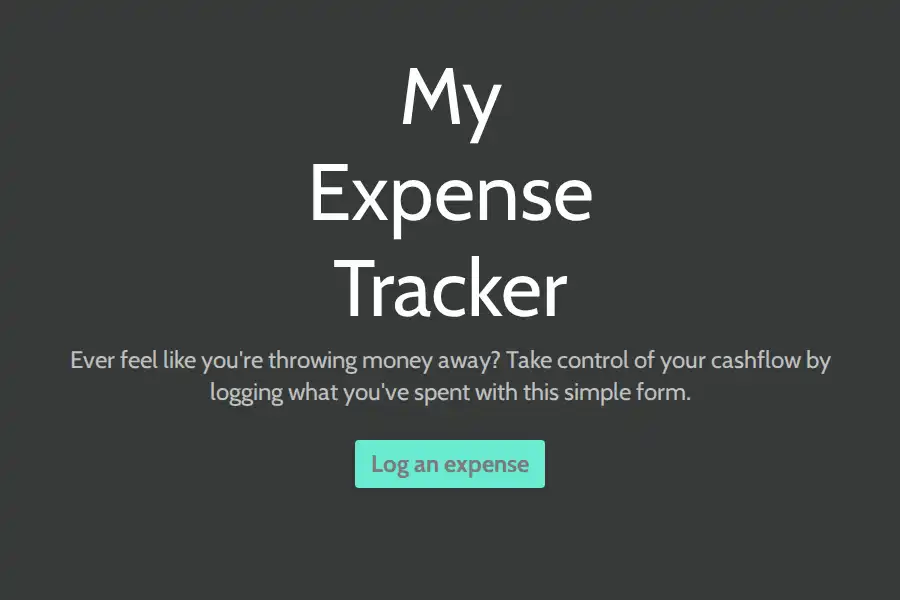



Personal Expense Tracker Template
Most expense software is built for employers processing someone else’s spending. This tracker is built for the other case: the freelancer logging a software subscription, the consultant tracking mileage between clients, anyone who needs an honest, searchable record of money going out — and wants it ready when tax season asks for it. No approvals, no cost centers, no manager. Just the log.
The Two-Minute Logging Habit
A tracker works when logging is cheaper than not logging, so each entry stays deliberately small:
- The date of the spend, defaulting to today.
- A category — the list is yours, and the discipline of choosing one is where the insight comes from later.
- The amount as an exact number, because rounded figures compound into fuzzy finances.
- A note in plain language — what it was for, which client it served — written for the version of you who won’t remember in April.
- The receipt via a file-upload field, photographed on the spot, because deductible-without-proof is a tax appointment waiting to go badly.
Entries take two minutes on the phone the moment money moves. The tracker’s entire value lives in that moment being low-friction.
Categories That Pay Off at Tax Time
For freelancers and sole traders, the category list isn’t organization — it’s deduction preparation. Buckets that map to what your tax authority actually allows — equipment, software, travel, home-office costs, professional services, training — turn a year of logging into a return that nearly fills itself in. The note field earns its keep here too: “laptop — client video editing work” is a deduction with a story; “laptop” is a question from an accountant.
Reviewing What the Log Says
The point of a log is reading it. Viewed as a set, entries reveal what individual moments hide: which categories genuinely recur, which subscriptions quietly renew, which months run heavy. A monthly ten-minute read-through is the habit that converts a record into actual financial control — and it’s also when misfiled entries get corrected, while the context is one month old instead of twelve. Freelancers building out their client and money workflow will find companion templates in the freelancer collection.
Frequently Asked Questions
Should business and personal expenses go in the same tracker?
Use one tracker with a business flag or separate categories if you’re a sole trader mixing worlds — but keep anything tax-relevant clearly separable. The moment an accountant has to guess what was business, the log has failed its main job.
How long should I keep receipts and entries?
Follow your tax authority’s retention guidance — commonly five to seven years. Digital entries with attached photos make that a non-issue compared to shoeboxes, which is a large part of the format’s appeal.
Is this suitable for tracking a whole small business?
For a sole trader or freelancer, comfortably. The moment you have employees, payroll, or inventory, graduate to accounting software — and keep this tracker for the receipt-level habits it does best.
What's the best way to stay consistent with logging?
Log at the point of purchase, keep entries to two minutes, and do one monthly review so the habit gets a visible payoff. Trackers abandoned in March are the norm; two-minute entries with a monthly read-through are the exception — and the exception is the point.