
Invoice Request Form Template
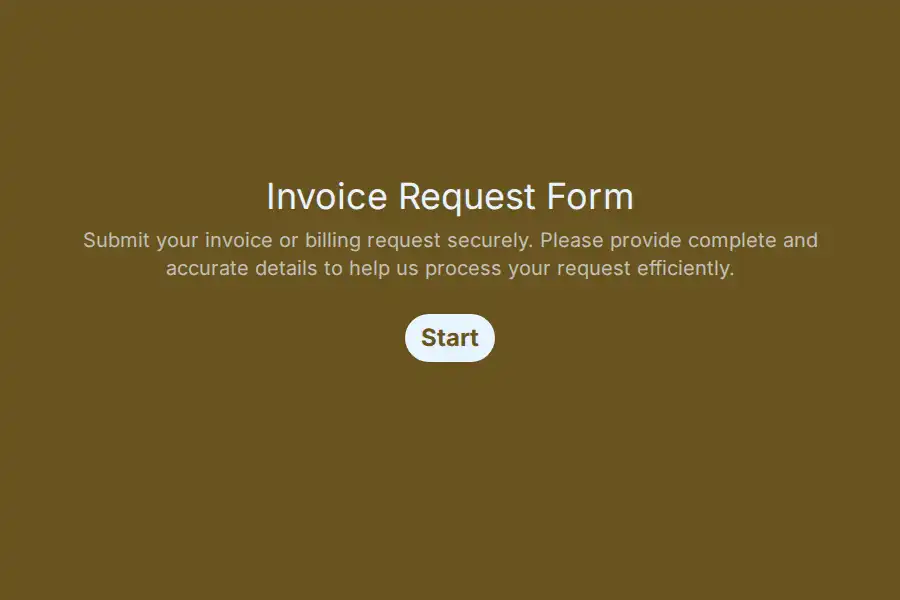
An invoice is the document that turns delivered work into incoming cash — which makes every bad invoice a self-inflicted delay. Wrong billing address, missing PO number, incorrect entity name: any of these sends the invoice into the customer’s AP void for weeks. This invoice request form template standardizes the moment invoices are born: whoever needs one — a project manager closing a milestone, a salesperson finalizing a deal, a client requesting billing — submits a complete, structured request, and your AR team issues a correct invoice the first time.
What a Complete Billing Request Contains
The form gathers the facts an invoice cannot ship without:
- Who’s being billed: the customer’s exact legal entity and billing address — matched against the contract, not memory, because the name a company trades as and the name on its bank account are regularly different entities.
- What’s being billed: a description of the goods or services, the amount, and the currency, entered as structured fields so the request reads as an invoice draft rather than a puzzle.
- The references that unlock payment: the customer’s purchase order number, contract number, or both — the identifiers their AP team will require before the invoice enters their payment run.
- Tax treatment: whether VAT or sales tax applies, at what rate, and any exemption evidence attached via file upload.
Timing, Delivery, and Special Instructions
Two fields prevent most post-issue corrections. The invoice date matters more than it looks — it starts the customer’s payment clock and lands the revenue in the right accounting period. And a delivery instruction states where the invoice goes: a billing portal, a named AP contact, an email address — because the world’s most correct invoice sent to the wrong inbox is still unpaid. Recurring billing setups are noted here too, so AR knows this request is the first of twelve rather than a one-off.
From Request to Issued Invoice
A good request queue runs like a production line: submissions arrive in the AR inbox the moment they’re filed, complete ones convert to invoices in minutes, and incomplete ones bounce back with the specific gap named. The queue also becomes your billing pipeline view — reviewed as a set, outstanding requests show revenue invoiced, pending, and aging before month-end arrives. Teams formalizing the revenue side of finance will find companion billing and sales formats in the sales collection.
Frequently Asked Questions
Who should submit an invoice request?
Whoever holds the facts of the sale — the account manager, project lead, or the client themselves where your process allows. The requester isn’t the payer; they’re the witness. Finance issues; the request supplies verified detail.
What's the difference between this and a payment request?
Direction of money. A payment request sends cash out to a payee. An invoice request asks your finance team to bill someone — cash coming in. They’re different forms because they flow through different sides of the ledger.
Should clients be allowed to request their own invoices?
Many organizations say yes — clients often need invoice documents for their own processing, and self-service requests beat support inboxes. The form’s structure keeps their requests as verifiable as internal ones.
How do we handle partial billing or milestones on one contract?
One request per invoice, with the milestone or period named in the description and the contract reference tying it to the whole. Splitting one engagement across several clean invoices beats one sprawling invoice nobody can reconcile.