
Purchase Requisition Form Template
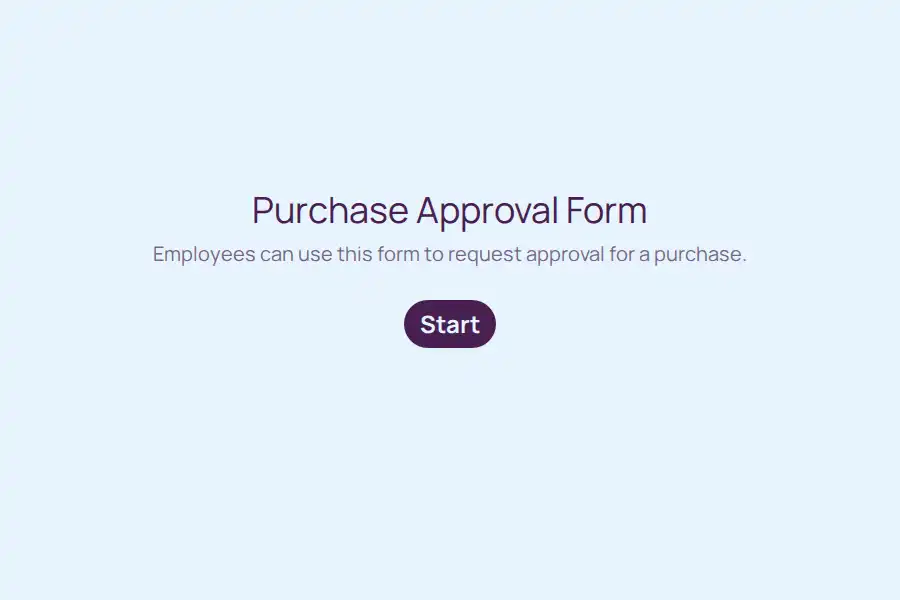
A purchase order commits the organization’s money; a purchase requisition is the document that decides whether it should. Skipping the requisition step doesn’t remove the decision — it just makes it happen invisibly, in inboxes and hallway conversations, with no record of what was considered. This purchase requisition form template restores the step as it works in disciplined organizations: a formal internal request that specifies what’s needed, proves it’s budgeted, and collects the approvals before procurement issues anything to a supplier.
What the Requisition Establishes
Each submission answers the questions procurement and finance will otherwise ask one at a time:
- The request in full: itemized goods or services, with quantities, specifications, and required delivery dates — detailed enough that a buyer could act without a follow-up call.
- The financial frame: estimated cost, the budget line and cost center it draws from, and whether the spend was planned in the annual budget or arises mid-cycle.
- The justification: why the organization needs this now, in the requester’s own words — the field auditors read first and the one that separates needs from wish lists.
- The approval chain: who signs at each level, captured so the record shows decisions made by name and role, not by inference.
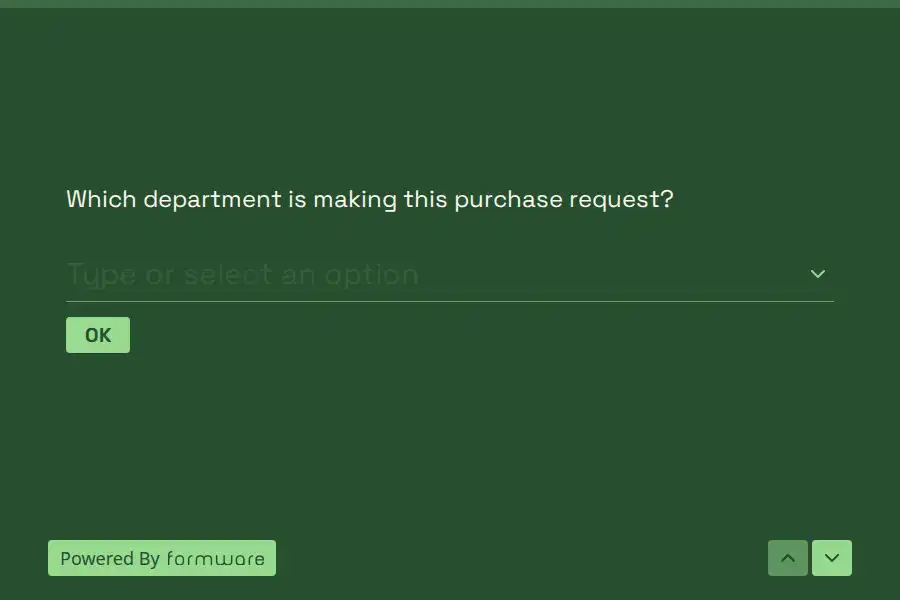
Specifications belong in structured fields — a dropdown for category, defined fields for quantity and estimate — because the requisition feeds the purchase order directly, and free-text requests become someone’s manual data-entry project.
Requisition, Approval, Purchase Order: The Sequence
The three documents have distinct jobs. The requisition asks. The approval decides — with budget checks and, above thresholds, competing quotes attached. The purchase order commits, sent to the supplier only after the first two exist. Organizations that keep the sequence intact get something rarer than speed: a complete audit trail where every dollar of committed spend traces back to a documented, approved decision. Webhooks can carry approved requisitions straight into procurement systems, keeping the paper trail digital end to end.
What the Requisition Archive Gives Back
Requisitions accumulate into institutional memory: what the organization buys repeatedly, which departments spend against which budgets, how long approval cycles actually take. Reviewing the archive quarterly turns purchasing from a series of transactions into a managed portfolio. Companion intake and approval formats live in the request collection.
Frequently Asked Questions
When is a full requisition overkill?
For genuinely trivial recurring spend, a lightweight request form serves better — the requisition’s formality earns its keep on commitments that are significant, one-off, or contract-forming. Set a threshold and let small spends through the light process.
Who approves a requisition, and in what order?
Typically the requester’s manager first — is this needed? Then budget or finance — is it funded? Then procurement — how do we buy it well? Each signature answers a different question; collapsing them into one sign-off loses the checks.
Can a requisition be approved with changes?
Yes, and the record should show it: an approval that adjusts quantity, defers timing, or substitutes specification is a decision worth documenting. Silent edits between approval and PO are how requisitions stop meaning anything.
How do we handle urgent purchases that can't wait for the chain?
Build an urgency path with named fallback approvers and same-day service levels — then hold it to retrospective documentation. Urgency handled by design stays auditable; urgency handled by skipping the process doesn’t.