
Branding Form Template
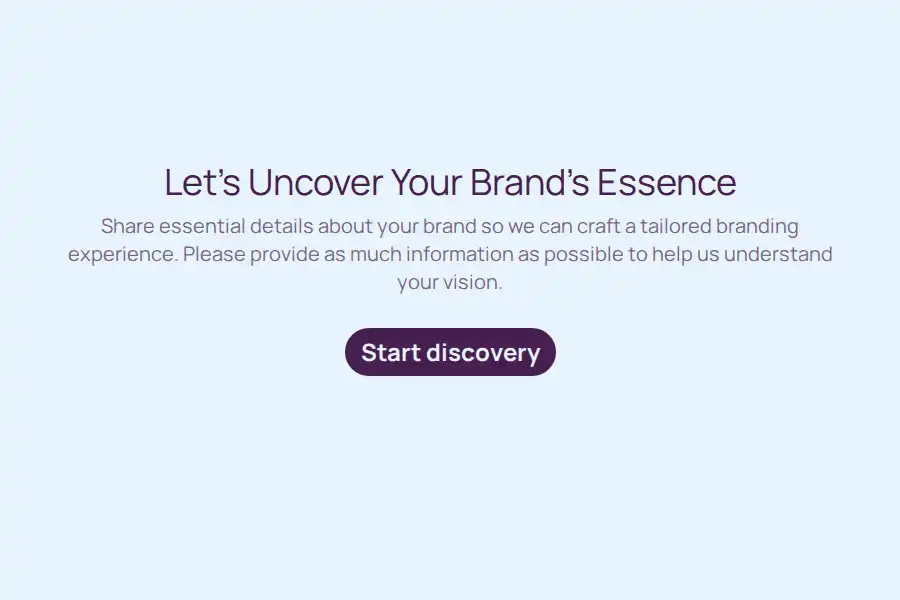
Every design project starts with the same risk: the team builds from memory. Someone remembers the client hating purple. Nobody remembers the deadline. A structured branding form ends that — one brief, submitted once, visible to everyone.
The Handoff Problem This Solves
Kickoff calls generate opinions, not records. When a designer starts work three weeks later, the details have evaporated. This form creates a permanent, searchable brief that travels with the project from first call to final delivery.
What the Brief Captures
Business foundation
Company name, industry, website URL, and a plain-language description of what they sell.
Direction inputs
- Audiences the brand must win with
- Competitors the client admires — and resents
- Tone of voice in three adjectives
- Visual references the client loves
Picture choice questions make reference-gathering painless: show reference styles side by side and let clients react to concrete examples. See picture choice.
Project parameters
Deliverables required, launch date, budget expectations, and the approval chain.
Built for Team Workflows
A brief only works if the whole studio can see it. Shared workspaces let designers, project managers, and account leads view every submission — access levels are explained in organization roles and permissions.
Route finished briefs anywhere your process lives using webhooks — push each one into your project management tool, chat platform, or client portal the moment it arrives.
And because briefs arrive as structured data rather than call notes, spinning up a fresh copy per client takes seconds: duplicate a form and rename it for the new engagement.
Frequently Asked Questions
What separates a branding form from a general contact form?
Depth and structure. A contact form collects a name and a message. A branding form captures audiences, competitors, deliverables, and visual direction as discrete, structured answers your team can filter, export, and reference for the life of the project.
Should clients complete this before or after the kickoff call?
Before. A completed brief makes the kickoff call twice as useful — you spend the hour challenging assumptions instead of collecting basics.
How do we adapt the brief for small versus large engagements?
Keep a short core version for quick identity refreshes and add strategy sections for full rebrands. Conditional logic can also reveal deeper questions only when a client selects a full-scope project.
Where should finished briefs go?
Wherever your team already works. Webhooks deliver each submission to your project tracker automatically, so nobody copies answers across by hand.