
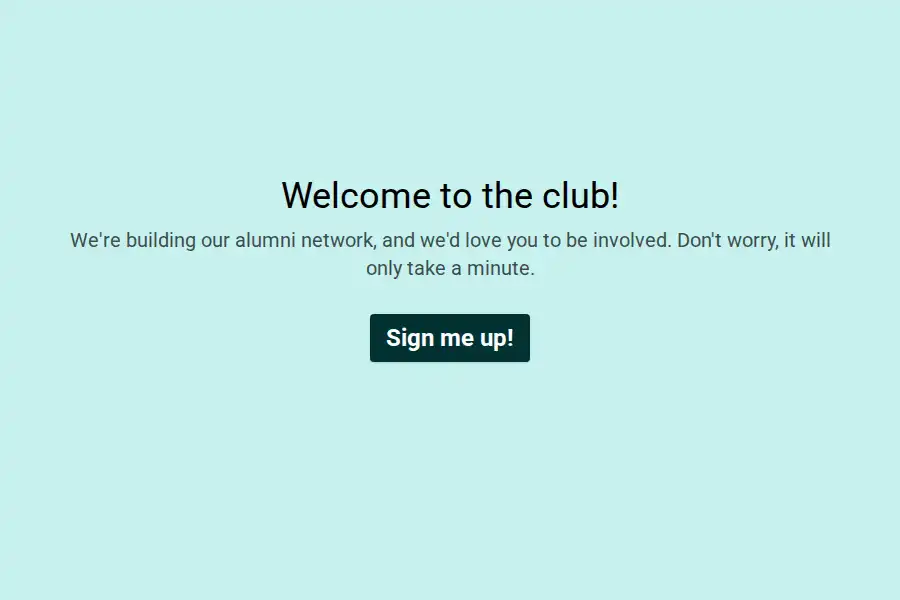






What Is an Alumni registration form template?
An alumni registration form template provides a structured method for collecting key data from former students, streamlining the process of rebuilding connections and fostering engagement. It’s designed for institutions, organizations, and associations seeking to strengthen relationships with their alumni network. This template is typically used when initiating contact with graduates to encourage participation in events, fundraising, or community initiatives.
When Should You Use This Template?
Leveraging this template is most effective when initiating contact with alumni post-graduation, typically after a certain period of inactivity or following specific triggers. It’s particularly useful when seeking to rebuild connections after a student’s departure and facilitates targeted communication based on shared experiences and affiliations. Using it after an alumni event or during a fundraising campaign helps build stronger relationships and drive engagement.
What to Include in an Alumni registration form template
Here’s a breakdown of key fields to incorporate:
- Basic Contact Information: Full Name, Email Address, Phone Number (optional). Collect these for efficient communication.
- Graduation Year: Crucial for segmenting alumni cohorts and tailoring messaging.
- Major/Area of Study: Allows for targeted messaging based on alumni’s academic background.
- Affiliations: List of student organizations, clubs, or societies participated in.
- Career Information: Current Job Title, Company, Industry. Provides valuable insights for networking and career support.
- Interests & Preferences: A field for alumni to indicate their preferences for types of events, communications, or support they’d like to receive.
- Optional Fields: LinkedIn Profile URL, Volunteer Experience – Enhances alumni profiles for stronger connections.
- Conditional Logic: Implement logic to ask for additional information (e.g., requesting industry-specific data for career services outreach).
Best Practices for Designing an Effective Alumni registration form template
- Minimize Fields: Only request essential information to reduce friction and improve completion rates.
- Clear Labeling: Use concise, descriptive labels for each field.
- Progressive Disclosure: Consider a multi-step form to avoid overwhelming users.
- Accessibility: Adhere to accessibility guidelines (WCAG) to ensure the form is usable by all alumni.
Benefits of Using This Template
- Enhanced Alumni Engagement: Facilitates targeted outreach, increasing alumni participation in events and programs.
- Improved Data Quality: Streamlined data collection ensures accurate records for alumni profiles.
- Better Segmentation: Enables customized communication based on alumni demographics and interests.
- Strengthened Relationships: Provides a framework for building and nurturing valuable connections.
- Increased Fundraising Potential: Allows for targeted campaigns based on alumni giving history and interests.
How to Customize This Template for Your Needs
Smaller institutions or organizations may benefit from a simplified form with only essential contact information and major/area of study. Larger institutions can incorporate additional fields such as industry, volunteer experience, and alumni affinity groups. To facilitate targeted communication, consider integrating with your CRM to automate data enrichment and segmentation.
Frequently Asked Questions
What information should I include in the alumni registration form?
A robust alumni registration form should include basic contact information, graduation year, major/area of study, and current career details – such as job title and industry. Adding fields for alumni interests and preferences helps you tailor communication, boosting engagement. Consider integrating with your CRM to automatically enrich alumni profiles.
How can I use this template for fundraising?
This template is key for segmented fundraising campaigns. By collecting data on alumni giving history and interests, you can create targeted outreach. Utilize the information to build segments for direct solicitations or identify prospects with high giving potential based on their industry and career trajectory.
What if alumni don’t want to provide all the information?
Don’t force full completion. A low-completion rate is better than an empty form. Clearly indicate which fields are mandatory versus optional. Offer an alternative method for alumni to connect if they prefer not to fill out the form, such as a simple email contact option. Focus on encouraging initial engagement, then gradually expand data collection over time.